










A Comprehensive Overview of Design Guidelines | What They Are and Why You Need Them
When you have an idea for a new product, it’s natural to start thinking about what it might look like or how it should work.
Before detailed engineering, CAD models, or prototypes begin, there is a valuable step that can help keep your project focused and flexible. Creating design guidelines can help steer your product as it goes from a fresh idea to a fully developed one.
What Is a Design Guideline?
A design guideline is a set of guiding rules or principles that a product should ideally follow as it is being developed. Rather than stating exactly how something must be built, design guidelines outline priorities, goals, and considerations that matter most to the success of the product. You can think of design guidelines as a compass since they don’t dictate every step, but they help ensure you are heading in the right direction.
How is a Design Guideline Different from a Design Specification?
Design specifications are much more strict and specific than guidelines. They define requirements that must be met and are usually precise, measurable, and non-negotiable. These can relate to safety, compliance, regulations, and many other facets of the product.
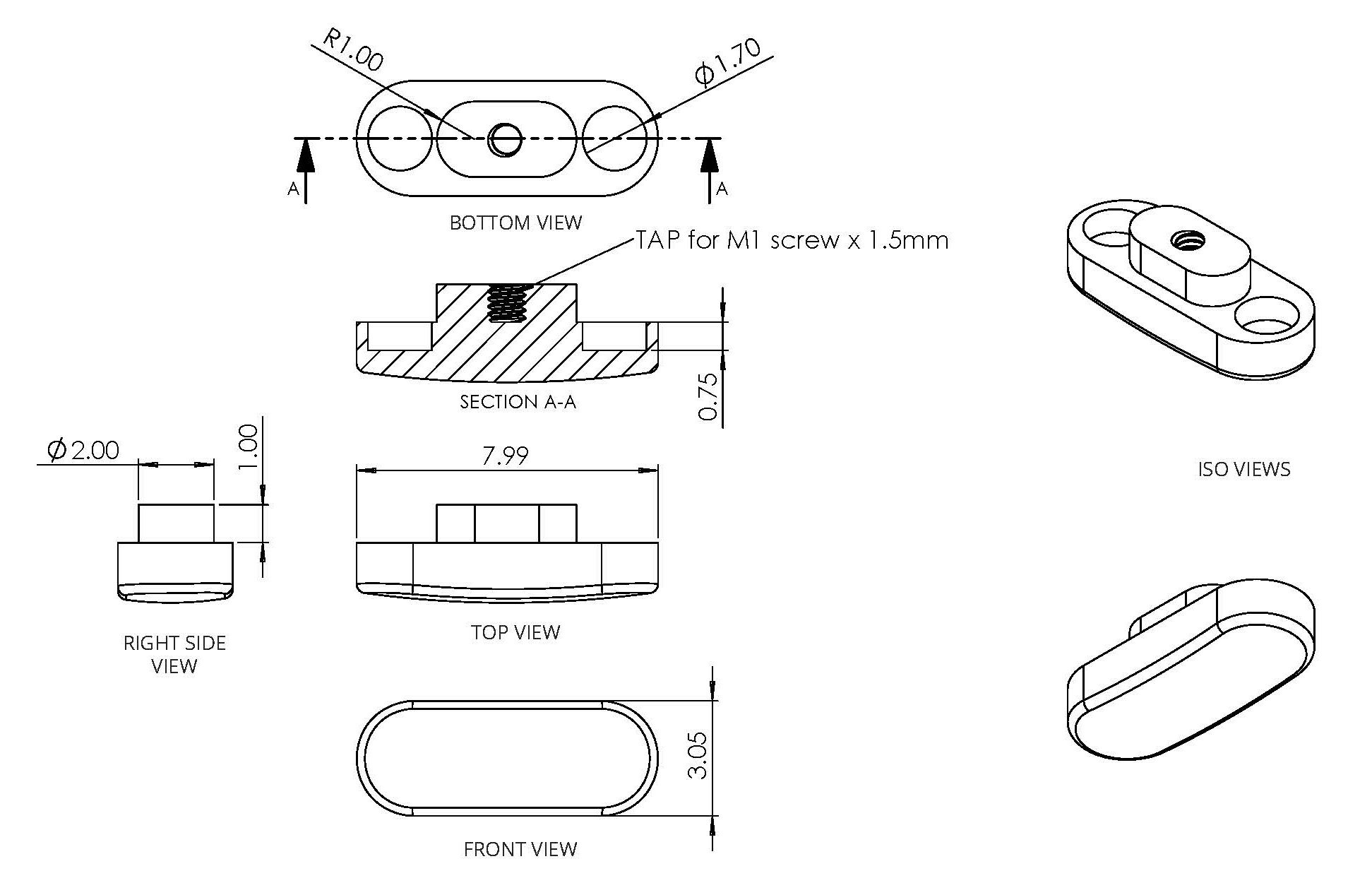
Engineering drawings are an example of a detailed specification
Design guidelines are preferred over specifications for new product development, as they allow for more innovation and alternative approaches as the design develops.
Why Design Guidelines Are Important
Design guidelines play an especially important role for new inventors, where ideas may still be evolving. Without guidelines, product development can drift, resulting in inconsistent decisions or costly redesigns later.
Designers and engineers can refer to the guidelines to ensure the product still serves its intended audience and purpose.
Clear Communication
One of the biggest benefits of design guidelines is that they clearly communicate the needs of the end user. When these needs are written down early, they are less likely to be forgotten or compromised when technical challenges arise.
Streamline Thoughts
Design guidelines also help streamline design thinking. By setting priorities early, they reduce unnecessary exploration and help teams focus on what truly matters. This often leads to faster decision-making and a more efficient development process.
Maintain Consistency
For companies with existing products, defining these guidelines early can help maintain brand consistency. They ensure that new products look, feel, and function in a way that aligns with the rest of the product suite. Even for first-time inventors, thinking about consistency early can help establish a recognizable brand identity.
Regulatory Compliance
Another key advantage is that design guidelines keep regulatory requirements and quality expectations visible from the start. While not everything needs to be a strict rule, identifying these considerations early reduces the risk of surprises later in development.
How Design Guidelines Fit into Product Development
In the early stages, guidelines help shape concepts and keep exploration focused. As the product matures, some guidelines may evolve into detailed requirements or specifications. Others may remain flexible principles that continue to guide decisions throughout development.
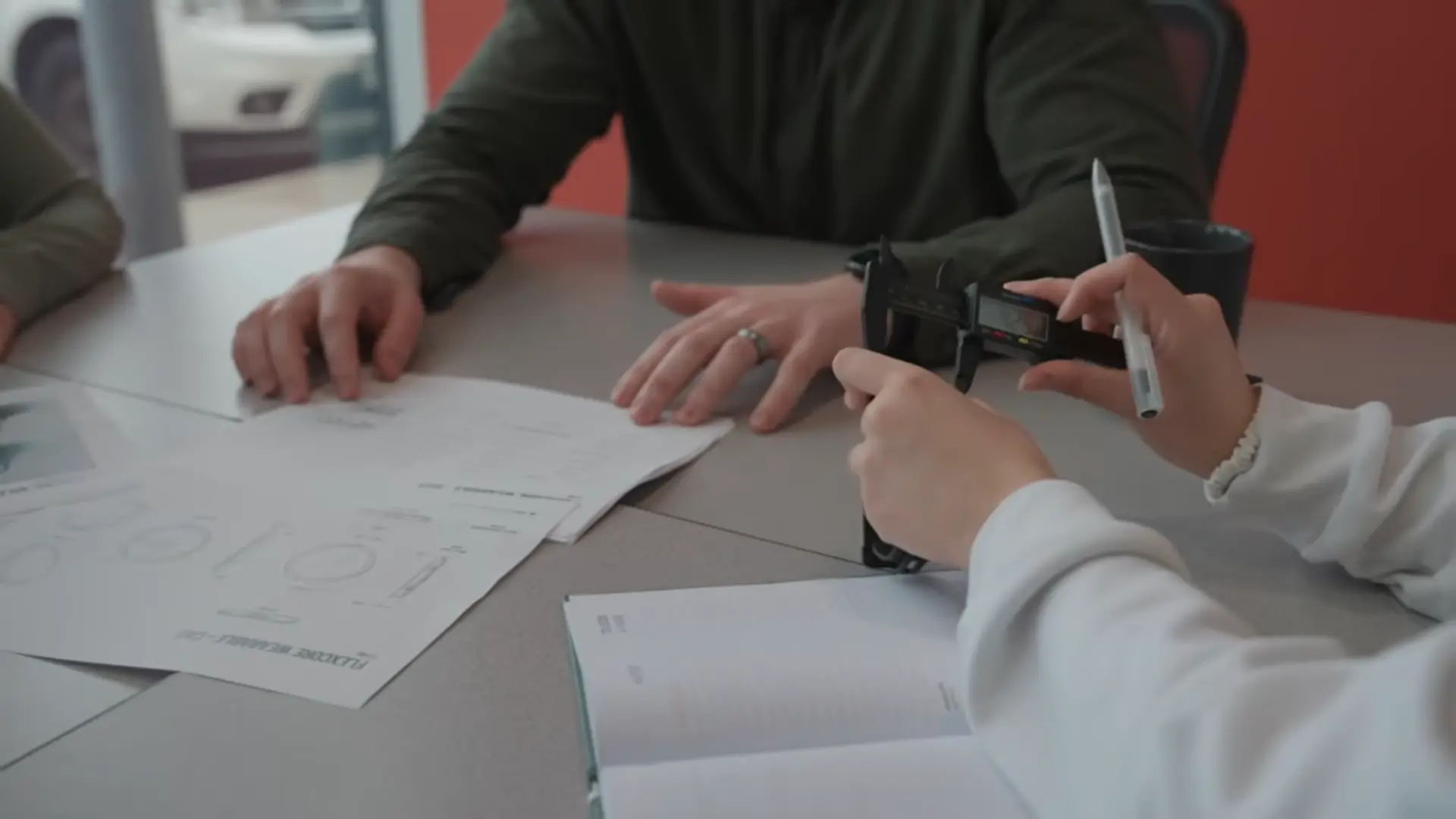
Comparing manufactured part to design specifications
Importantly, design guidelines are living documents and are adaptable to your process. As you learn more about your product, your users, or manufacturing constraints, they can be updated to reflect new insights.
How to Create Design Guidelines
Creating effective design guidelines does not require engineering expertise, but rather thoughtful consideration of what matters most for your product and its users.
- Start with the core goal of the product
Clearly define what problem the product is solving and what success looks like from the user’s point of view. Every design guideline should support this primary purpose. - Consider where and how the product will be used
Think about the physical environment, available space, size constraints, and surrounding conditions. - Make sure every guideline has a clear vision
A good design guideline exists for a purpose. If a rule doesn’t directly support the product’s goals, user needs, or business objectives, it may not be adding value. - Cover the most important areas with overdefining
Design guidelines can include considerations such as safety, size, materials, cost targets, production volume, environmental impact, and sustainability. However, avoid locking in the approach too early.
Overdefining Design Guidelines
If you create a guideline stating, “The product must use a button to turn on the screen,” it immediately narrows the design space since the same function could be achieved using a switch or motion sensor. A design guideline should keep the focus on the goal without unnecessarily limiting how that goal is achieved.
A Practical Guideline Example
Imagine you are developing a portable, hand-held device expected to be used daily to clean regularly used items such as earphones or mobile devices. There are core functions that need to be maintained without being overrestrictive on design.
The guidelines for the product:
- Should clean small portable electronics, such as earphones or mobile devices
- Explore different materials to support frequent handling and exposure to cleaning products
- Should be tolerant of exposure to temperature variations and some moisture (determine appropriate IP rating if applicable)
- Should be durable enough for customers who may keep the product in their bags
- Should remain compact and portable, fitting within a small bag or pocket
- Should be safe to use without pinching the user or causing discomfort during normal operation
While this example is not comprehensive, it helps illustrate how the design guidelines remain intentionally high‑level due to the early and evolving nature of the product concept. Rather than defining detailed technical requirements, they establish the direction, priorities, and intent of the design.
Responsible Guidelines for Product Design
Many inventors begin product development with a clear idea of what they want their product to achieve, but less clarity around how to define it in a structured way. Design guidelines help provide that structure by clarifying priorities, user needs, and key constraints without committing too early to specific solutions.
At TriMech Design Solutions, we support this early stage by helping translate product goals into clear design guidelines and then into functional and design specifications as the product direction becomes more defined. This staged approach allows important decisions to be made at the right time, supporting efficient development and practical, manufacturable outcomes.
To connect with our expert team for guidance on bringing your product to market, contact us here.
Have a Product Idea?
Discover our product development services tailored to startups, small manufacturers, and inventors.
Design Newsletter
Get the latest news curated for designers, makers and inventors.
Product Design Experts related to this content:
Discover our team of designers, engineers, project managers, and problem-solvers.

Catherine Bui, Project Manager
Catherine is a Project Manager operating out of the Toronto office. She is passionate about accessibility and end user experience.
More from our Blog

The SUBPAC Vest is Headphones for your Body
New wearable technology allows you to feel sound. Subpac vest is made for immersive sound and bass is the IoT's hottest technology. Fans are going...

How to Find the Best Prototyping Company for Hardware Startups
A guide to choosing the right a prototyping company: types of providers, speed of delivery, relevant industry experience, and design/manufacturing support.

What Makes a Product More Valuable: Aesthetic vs Function
Want to know what the best product design services recommend for aesthetic vs function when creating a product? Read our blog!
Need help with your Product Idea?
Tell us about your invention or product design idea and get the help you need design, build and bring it to market