






Hero Props vs Background Props: How this Affects Production Strategy
Understanding the difference between hero props and background props is essential for designers, fabricators, and production teams working with the Entertainment industry, as it influences everything from material selection and manufacturing methods to cost, timeline, and resource allocation.
What is a Hero Prop?
A hero prop is a highly detailed, camera-ready object that is featured prominently on screen. These props are often used in close-up shots, handled directly by actors, or central to the narrative.
Because of their visibility, hero props must withstand intense scrutiny, both visually and functionally. Every surface, texture, and detail must appear realistic, as even minor imperfections can be magnified by high-resolution cameras.
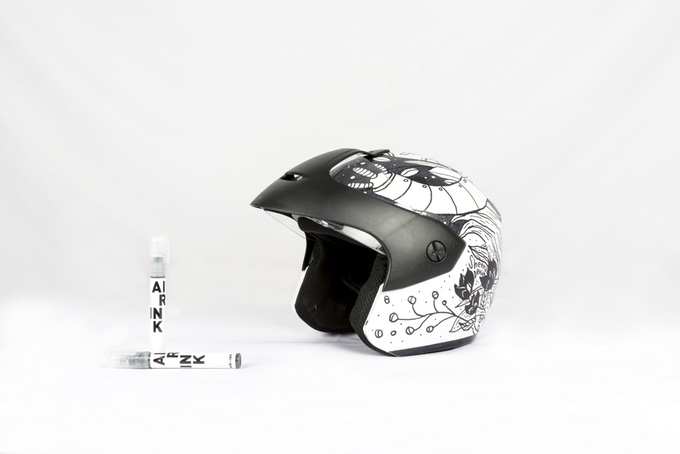
Example: Iron Man helmet, a detective’s gun, a key artifact
What is a Background Prop?
Background props are designed to support the overall environment without drawing attention to themselves. These objects fill out a scene, helping create a sense of realism and scale, but are typically seen at a distance or out of focus.
As a result, they do not require the same level of detail or precision as hero props. Instead, they are optimized for efficiency, allowing production teams to populate sets quickly and cost-effectively.
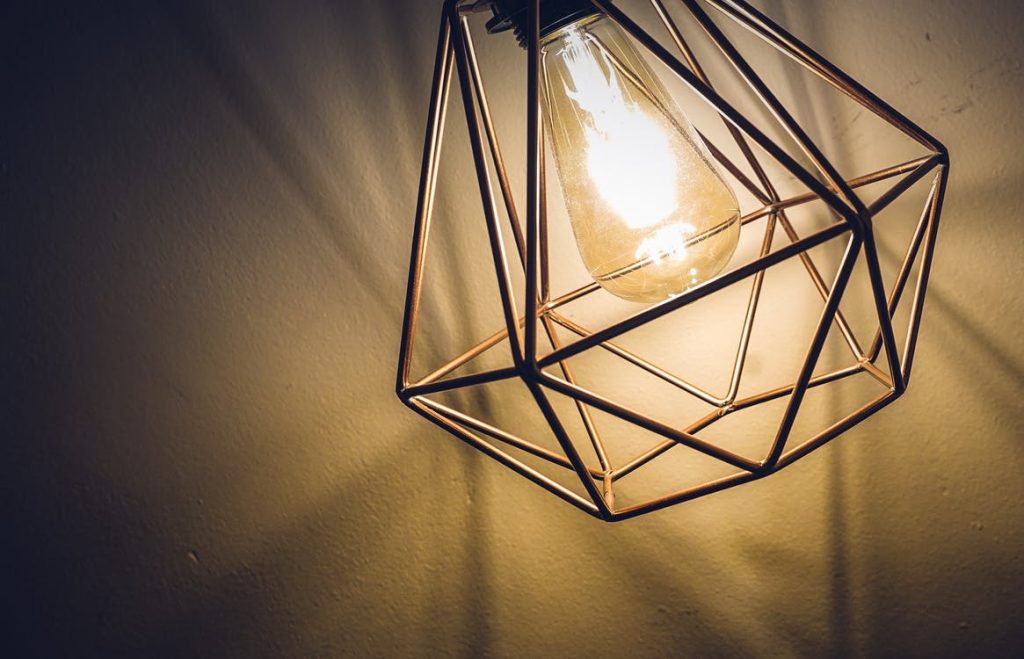
Example: books on shelves, crowd items, furniture in the distance
Key Differences:
1: Level of Detail
- Hero props often undergo extensive refinement, including high-resolution modeling, precision manufacturing, and detailed hand finishing. Textures, weathering, and surface treatments are carefully applied to ensure that the prop looks authentic under close inspection.
- Background props rely on broader visual cues rather than fine detail. A convincing silhouette and appropriate color or texture are often sufficient to achieve the desired effect on the camera.
2: Functionality
- Hero props frequently need to perform specific actions, such as opening, lighting up, or interacting with actors. This requires engineering considerations beyond simple aesthetics. These props must be durable, safe, and reliable throughout repeated use.
- Background props rarely require this level of functionality and are typically static or minimally interactive, allowing for simpler construction methods.
3: Material Selection
- Hero props may incorporate high-quality materials such as metal, detailed resins, or multi-material assemblies to achieve both realism and durability.
- Background props often utilize lightweight, cost-effective materials like foam or basic plastics, which are faster to produce and easier to manage in large quantities.
Hero Props vs Background Props Comparison
| Hero props | Background props | |
|---|---|---|
| Screen visibility | High | Low |
| Cost per item | High | Low |
| Detail level | Extreme | Minimal |
| Production time | Long | Short |
| Material quality | Premium | Basic |
| Iteration flexibility | Low | High |
| Story impact | Critical | Supportive |
Essentially, hero props require more design iteration, higher manufacturing precision, and additional finishing work, making them more resource-intensive, while background props are designed with scalability in mind, enabling prop departments to produce large volumes without exceeding budgets or timelines.
How does this affect production strategy?
- Resource prioritization: Focus best talent on hero props and use scalable methods like outsourcing rapid prototyping for background props.
- Hybrid manufacturing: For hero props, use 3D printing as a base and then manual finish; for background props, use fully 3D printed or off-the-shelf.
- Risk management: Set hero props with high schedule risk and hard replacement difficulty, with high cost of errors.
- Integration: Hero props require early integration with concept design, previsualization, visual effects planning, while background props can be handled later in production.
By combining creative design with engineering and production capabilities owned by professional product development firm like TriMech, prop teams can deliver both high-impact hero elements and efficient background assets.
Have a Product Idea?
Discover our product development services tailored to startups, small manufacturers, and inventors.
Design Newsletter
Get the latest news curated for designers, makers and inventors.
Product Design Experts related to this content:
Discover our team of designers, engineers, project managers, and problem-solvers.

Bruce Lee, Senior Industrial Designer
Bruce Lee is an industrial designer with over 30 years of experience, known for innovative and diverse work in design.
More from our Blog
Industrial Design Spotlight: The Paperpot Transplanter
The latest in industrial design and engineering innovation is the Japanese Paperpot Transplanter. It's changing the way farmers farm!
How Inventors Build Successful Businesses: Key Resources
What good is a car if you have no fuel? A car needs fuel to run. It is a key resource for the car to…

Ovie Creates First Smart Food Storage System
Ovie worked with a product design studio to bring their food storage system idea to help eliminate food waste to life through their Smarterware system.
Need help with your Product Idea?
Tell us about your invention or product design idea and get the help you need design, build and bring it to market